
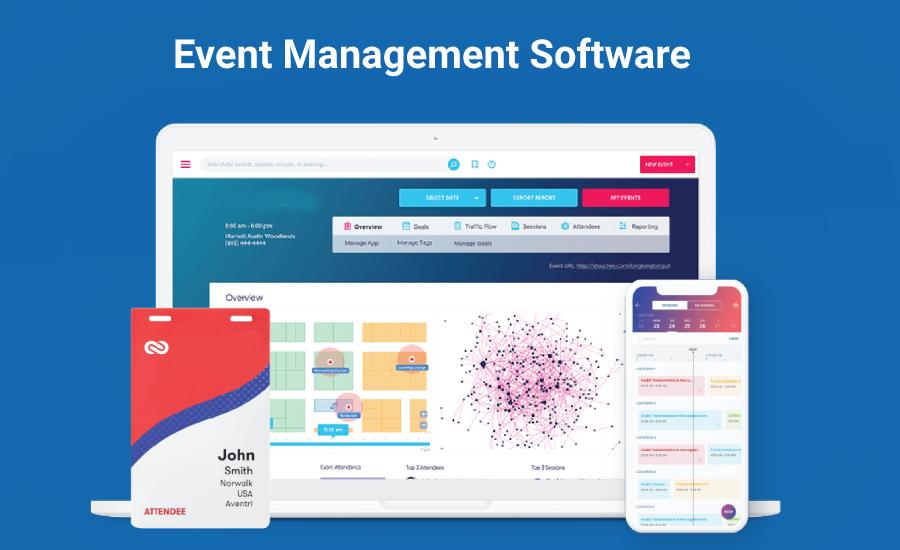
The global market for event management software is in a phase of rapid growth and transformation, but a strategic analysis of the Event Management Software Market Growth Share by Company reveals that this expansion is not being captured uniformly. The most significant share of new revenue and market growth is flowing towards the major, all-in-one platform providers who can offer a single, unified solution for managing the entire lifecycle of in-person, virtual, and, most importantly, hybrid events. This dynamic highlights a major market shift driven by the need for a single source of truth and a consistent experience across all event formats. The Event Management Software Market size is projected to grow USD 33.73 Billion by 2035, exhibiting a CAGR of 13.72% during the forecast period 2025-2035. Understanding how this substantial growth is being allocated is key, as it underscores the immense value that customers are placing on integrated, end-to-end platforms that can simplify the immense complexity of modern event management, a trend that heavily favors the market's largest and most comprehensive players.
A disproportionately large share of the market's growth is being captured by the major, established event technology platforms, with Cvent being the prime example. Their growth is fueled by their ability to offer a single, comprehensive platform that can handle the "Total Event Program" of a large enterprise or association. As organizations now manage a diverse portfolio of events—from large annual conferences to smaller regional meetings and internal webinars, in a mix of formats—the need for a single, centralized platform to manage all of this activity has become paramount. The platform leaders are capturing growth by successfully cross-selling new modules to their massive existing customer bases. For example, a customer who was using Cvent for their in-person event registration is now also buying their virtual event platform and their mobile app. This "land-and-expand" strategy, powered by the convenience of a single, integrated platform, is a massive growth engine. Their ability to deliver a unified data and analytics platform that provides a holistic view of attendee engagement across all event types is another key driver, as event marketers are under increasing pressure to prove the ROI of their entire event portfolio.
While the all-in-one platforms capture the largest share of the enterprise value, another significant area of growth is being won by the specialized platforms that have a strong focus on specific event types or functionalities, particularly those that have excelled in the virtual and hybrid space. Companies that built a reputation for delivering highly engaging and interactive virtual event experiences during the pandemic have been able to capture a significant share of the market's growth. As the market has shifted to hybrid, these companies are now leveraging their deep expertise in digital engagement to enhance the in-person experience and to offer a compelling, unified hybrid solution. Another area of growth is being captured by the specialized ticketing and registration platforms, like Eventbrite, which continue to dominate the high-volume, "long tail" of the market for smaller, consumer-facing events. Their growth is driven by their ease of use, their self-service model, and their strong consumer brand recognition. This creates a bifurcated growth dynamic: the all-in-one platforms are capturing the massive enterprise spend, while the specialists are capturing growth in specific, high-volume niches.
Top Trending Reports -